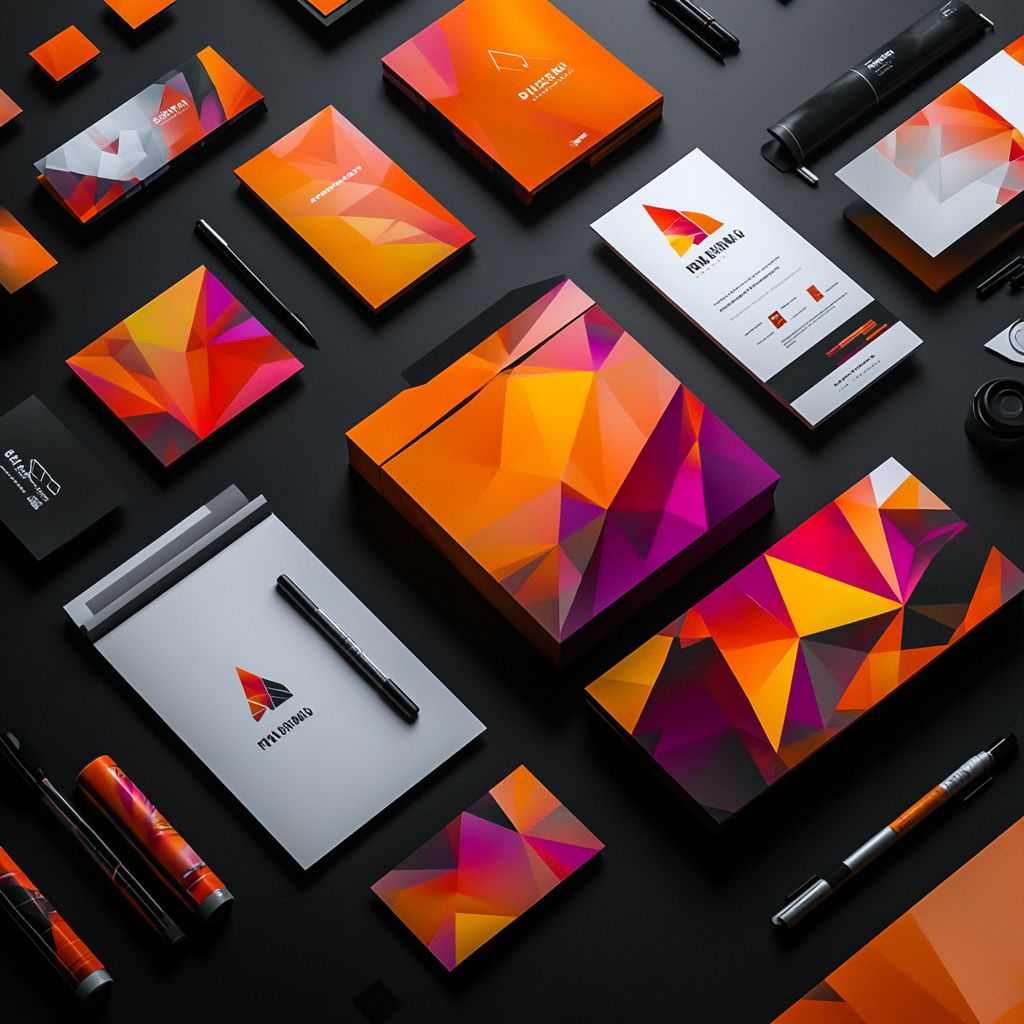
The Future of Brand Identity in 2025
Exploring the emerging trends that will shape how brands present themselves in the digital landscape.
The world of brand identity is evolving rapidly. As we move into 2025, several key trends are reshaping how brands communicate their essence to audiences. From dynamic logos that adapt to context, to AI-assisted design systems that maintain consistency at scale, the future of branding is both exciting and challenging.
In this article, we explore the most significant trends that forward-thinking brands should be paying attention to, and how to position your brand for success in an increasingly digital world.
Dynamic Logos and Fluid Identity Systems
The static logo — a single, fixed mark used identically across every touchpoint — is giving way to something far more versatile. Dynamic logos shift in shape, color, and complexity depending on where they appear. A simplified icon for a mobile app. A richly detailed version for a desktop experience. An animated variant for video content. A stripped-back wordmark for a smartwatch notification.
This isn't about inconsistency. It's about responsive identity — the same principle that transformed web design a decade ago, now applied to the brand mark itself. The underlying visual DNA remains constant, but its expression adapts to context, medium, and audience. Brands like Spotify, Google, and the City of Melbourne pioneered this approach, and by 2025 it's becoming the expectation rather than the exception.
The shift demands a different kind of brand guideline. Instead of rigid specifications for exact reproduction, modern brand systems define a set of principles, variables, and boundaries within which the identity can flex. Think of it as moving from a photograph to a living organism — recognizable across every form it takes.
AI-Assisted Design Systems at Scale
Managing brand consistency has always been a challenge, especially for organizations that produce thousands of assets across dozens of markets. AI is fundamentally changing this equation. Design systems powered by machine learning can now generate on-brand assets automatically, flagging deviations before they reach production and suggesting alternatives that align with established guidelines.
This goes beyond simple template enforcement. Modern AI tools understand the intent behind brand rules. They can evaluate whether a layout feels right — not just whether the logo is the correct number of pixels from the edge. They can assess color harmony, typographic rhythm, and visual weight in ways that were previously possible only through human review.
The result is a dramatic acceleration of creative production without the quality erosion that typically accompanies speed. Smaller teams can maintain the output standards of much larger ones. Global brands can localize content across markets while preserving the coherence that makes a brand recognizable. The designer's role shifts from production to direction — setting the strategic parameters within which AI operates.
Sensory Branding Beyond the Screen
As digital touchpoints multiply, the smartest brands in 2025 are thinking beyond visual identity. Sonic branding — distinct audio signatures that identify a brand in podcasts, voice interfaces, and video — has matured from a novelty into a necessity. When a customer interacts with your brand through a smart speaker, your visual identity is irrelevant. Your sonic identity is everything.
Haptic feedback is the next frontier. The specific vibration pattern when a payment completes. The tactile response when a user interacts with your app. These micro-sensations are subtle but powerful — they create physical memory associations that purely visual branding cannot achieve.
Even scent and spatial design are entering the brand identity conversation as physical and digital experiences converge. Pop-up retail, immersive events, and mixed-reality environments all demand that brands think about identity as a multi-sensory system rather than a collection of visual assets. The brands that embrace this holistic approach will build deeper, more memorable connections with their audiences.
Authenticity as a Design Principle
Consumer skepticism toward polished corporate aesthetics has been building for years, and 2025 marks a tipping point. Audiences — particularly younger demographics — have developed a sharp instinct for detecting inauthenticity. Overly curated feeds, generic stock photography, and aspirational messaging that doesn't match lived experience are increasingly met with disengagement or outright distrust.
The response isn't to abandon quality or professionalism. It's to let imperfection and honesty become deliberate elements of brand expression. This shows up in photography that favors real moments over staged compositions. In typography that feels handmade rather than machine-perfect. In brand voices that acknowledge complexity and uncertainty instead of projecting relentless optimism.
Authenticity also means consistency between what a brand says and what it does. In 2025, identity design is increasingly tied to demonstrated values — sustainability commitments backed by transparent supply chains, diversity statements reflected in actual hiring data, community claims supported by visible action. The visual identity becomes a promise, and audiences are watching closely to see whether that promise is kept.
Personalization Without Fragmentation
Data-driven personalization allows brands to tailor their presentation to individual users — adjusting imagery, messaging, and even visual tone based on behavior, preferences, and context. The opportunity is immense: a brand that feels like it understands you is a brand you're more likely to trust and choose.
The risk, however, is fragmentation. When every user sees a different version of the brand, coherence can erode quickly. The challenge for identity designers in 2025 is building systems flexible enough to personalize at scale while maintaining the core elements that make a brand instantly recognizable.
The solution lies in defining clear identity constants — elements that never change regardless of personalization — alongside identity variables that can adapt. A color palette might remain fixed while imagery shifts. A typographic system might stay consistent while the tone of voice adjusts. This framework gives brands the best of both worlds: relevance to the individual and recognition across the collective.
Positioning Your Brand for What's Next
The trends shaping brand identity in 2025 share a common thread: flexibility within structure. Dynamic logos, AI-powered systems, sensory branding, authentic expression, and scalable personalization all require brands to move beyond static rulebooks toward living, breathing identity ecosystems.
This doesn't mean abandoning the fundamentals. Strategy still comes first. A clear understanding of who you are, what you stand for, and why it matters to your audience remains the foundation upon which everything else is built. What's changing is the expression of that foundation — it's becoming richer, more adaptive, and more deeply woven into every interaction a customer has with your brand.
Start by auditing your current identity system for rigidity. Where does it break when applied to new formats or channels? Where does it feel generic rather than distinctive? Where is consistency being maintained at the expense of relevance? These friction points are your greatest opportunities. The brands that thrive in 2025 won't be the ones with the most polished guidelines — they'll be the ones with the most intelligent, responsive, and human identity systems.